
If your water heater is getting up there in age, the honest answer to “how much longer will it last” depends heavily on the type of unit and your home’s water quality. Real numbers help more than vague estimates, so here’s what the actual data shows for 2026.
Average Lifespan by Water Heater Type
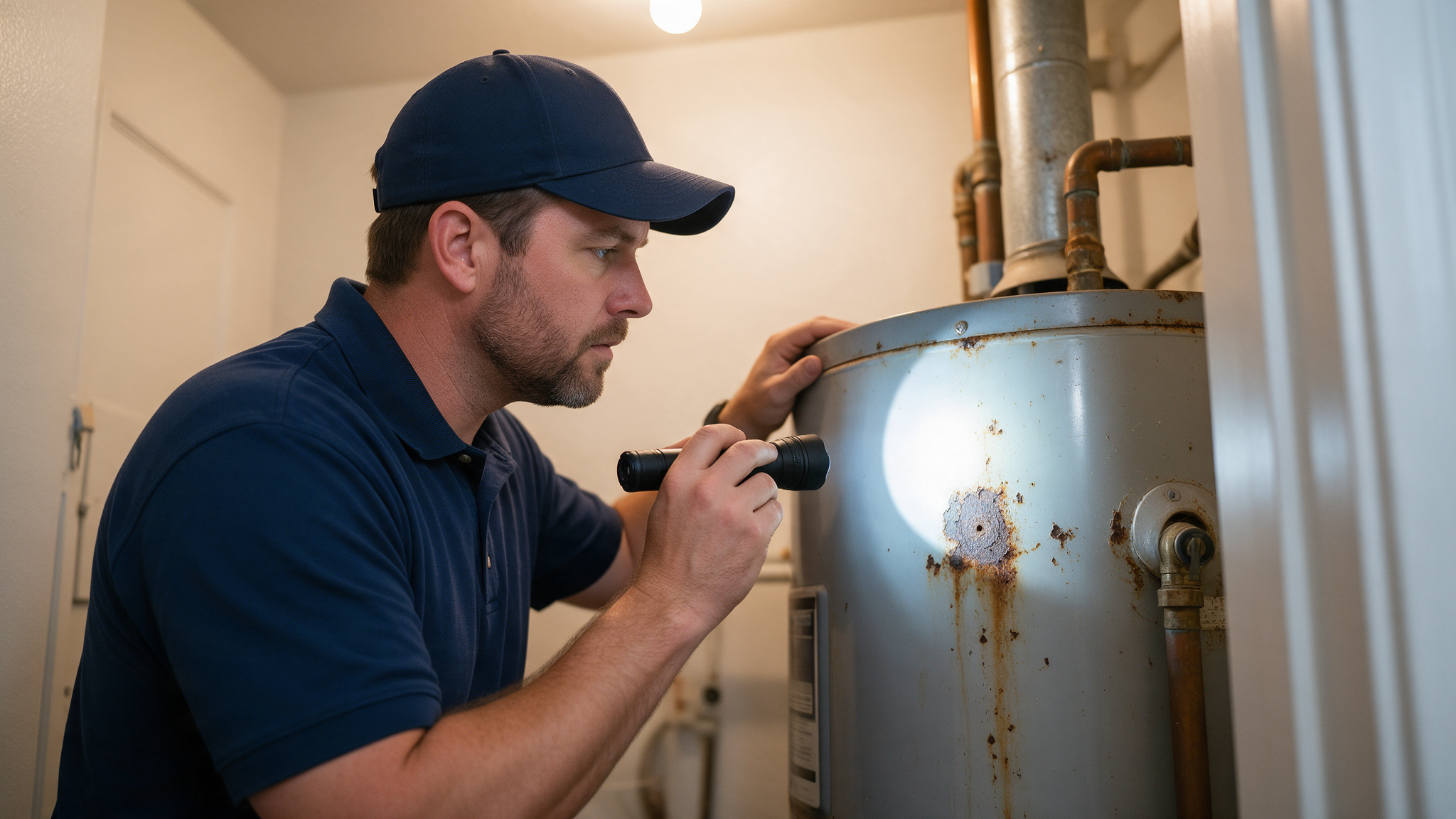
A standard tank-style water heater typically lasts 8 to 12 years, with well-maintained units sometimes reaching 15. Tankless systems last considerably longer, averaging 15 to 20 years, with some well-maintained units pushing past 20. The gap comes down to design: a tank unit holds standing water against its interior walls around the clock, which slowly corrodes the tank from the inside, while a tankless unit only heats water as it flows through, avoiding that constant exposure. Heat pump water heaters, a less common third option in Texas, typically fall in between at 12 to 15 years, since they still use a storage tank but place less continuous thermal stress on it than a standard gas or electric unit.
| Water Heater Type | Average Lifespan | Max Lifespan (Maintained) |
|---|---|---|
| Traditional Tank (Gas) | 8–12 years | 15 years |
| Traditional Tank (Electric) | 8–12 years | 15 years |
| Tankless (Gas or Electric) | 15–20 years | 20–25 years |
Why Texas Water Quality Matters More Than You’d Think
Hard water is one of the biggest factors shortening a water heater’s life, and much of Texas deals with moderate to hard water depending on the local water supply. According to the Water Quality Association, hard water can cut a gas tank’s lifespan roughly in half, and has a similar effect on electric tank units. Mineral buildup coats the inside of the tank and heating elements, forcing the unit to work harder and fail sooner. This is one of the more overlooked factors homeowners run into: two identical water heaters installed the same year, in different parts of Texas, can end up with meaningfully different lifespans purely because of what’s in the local water supply. A quick water hardness test, often available cheaply or even free through a local utility, can tell you whether this is a meaningful risk for your home before you decide how aggressively to maintain your unit.
What Actually Shortens the Lifespan
- Sediment buildup — settles at the bottom of tank units over time, reducing efficiency and stressing the heating element
- Anode rod depletion — this sacrificial rod protects the tank from corrosion; once it’s gone, the tank itself starts corroding
- Skipped maintenance — annual flushing removes sediment before it becomes a problem
- Oversized or undersized units — a unit working harder than it should wears out faster
- Excessive water pressure — pressure consistently above 80 psi stresses tank seams and connections over time, an issue more common in some Texas municipal water systems than others
Signs Your Water Heater Is Nearing the End
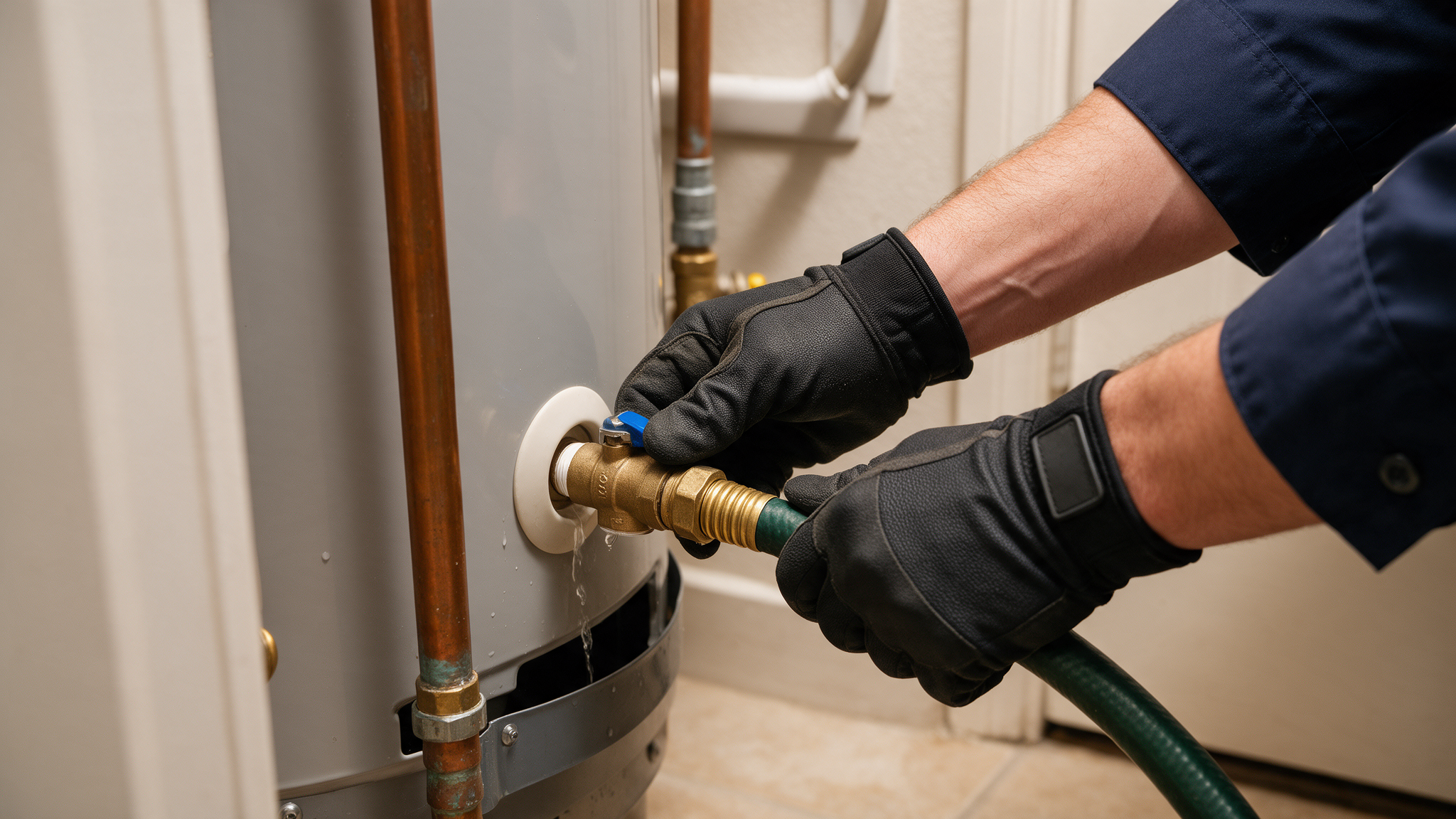
A few warning signs tend to show up before a full failure: rust-colored water, popping or rumbling noises (a sign of heavy sediment), water pooling around the base of the tank, or noticeably shorter hot water supply than before. A tank unit that’s already past the 8-to-12-year range and showing any of these signs is a stronger candidate for replacement than repair, since sinking money into an aging unit close to failure rarely pays off. Any of these are worth having looked at before the unit fails completely, since a failed tank can mean sudden water damage to flooring, drywall, or whatever’s stored nearby. Age alone is also a useful signal even without visible symptoms — a tank unit within a year or two of the top of its expected range is worth having inspected proactively rather than waiting for a clear failure signal.
Extending the Life of Your Water Heater
The single most effective thing a homeowner can do is schedule annual flushing to clear sediment before it accumulates — this one habit alone accounts for much of the difference between a tank unit that dies at 8 years and one that makes it to 15. Checking the anode rod every few years and replacing it once it’s significantly depleted is the second most impactful step, since a spent anode rod leaves the tank itself exposed to corrosion. For homes with notably hard water, a whole-home water softener can meaningfully extend the life of both tank and tankless units by reducing the mineral load the system has to handle. Setting the thermostat to a reasonable temperature, typically around 120°F, also reduces thermal stress on the tank compared to running it hotter than necessary.
Getting an Accurate Read on Your Unit’s Condition
Rainstone Water Heaters operates multiple service locations across Texas, so a technician can inspect your specific unit and tell you realistically how much life it has left. You can learn more about what a replacement actually costs in Texas here.
If you’re ready to find your nearest location, you can do that here.
Most Texas homeowners can expect 8 to 12 years from a tank unit and 15 to 20 years from a tankless system, with water quality and regular maintenance being the two biggest factors in whether you land on the low or high end of that range.