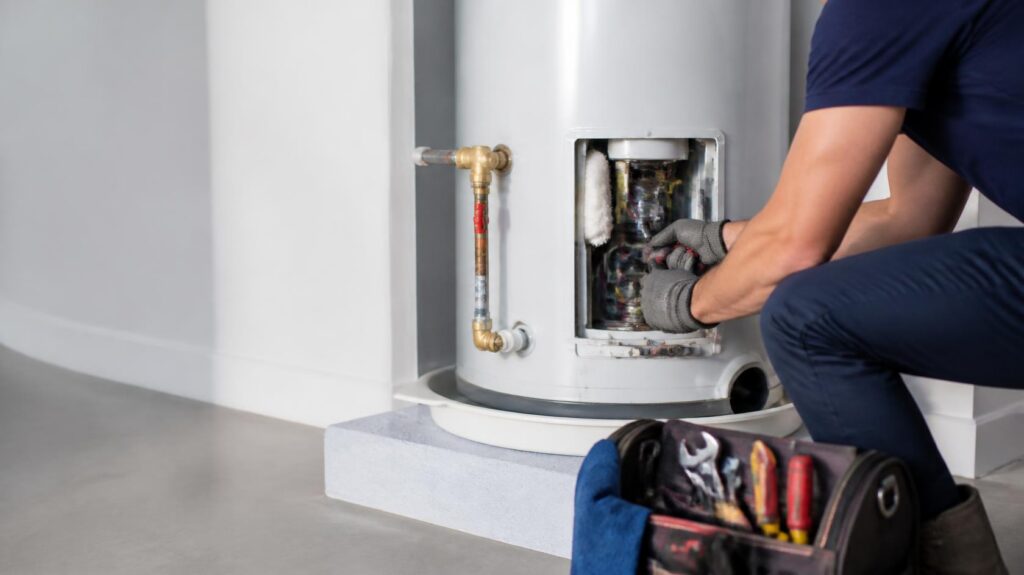
Water heater maintenance in San Antonio carries a sense of urgency that is specific to the city. The combination of Edwards Aquifer hard water, extreme summer heat, and the freeze events that have periodically struck the region creates a maintenance environment where deferring scheduled service is considerably more costly than it would be in a less demanding climate. Beyond the direct wear and efficiency costs of unmaintained water heaters, San Antonio’s active real estate market means that a property’s documented maintenance history is increasingly a factor in buyer due diligence. At Rainstone Water Heaters, we provide scheduled maintenance services for San Antonio residential and commercial water heaters with a service approach calibrated to the city’s actual water and climate conditions. Call us today at (210) 972-1022 to book a service and arrange annual maintenance for your San Antonio property.
Maintenance is the least exciting page on this website and the one that saves homeowners the most money. I am Kurt Pinkerton, Rainstone’s responsible master plumber, and I will put it plainly: most of the emergency calls we run are maintenance that never happened. Here in San Antonio, my team works out of our San Antonio office, and the standard is the one I set: a $125 service call, a written quote before work begins, and no surprises on the invoice. Call us at 210-972-1022.
How San Antonio’s Climate and Water Cycles Create Specific Maintenance Urgency
Kurt’s take: My wife Lezlee and I have been married 33 years, and she will tell you I bring the same stubborn standard home that I bring to a job site. Maintenance is unglamorous arithmetic: sediment flushed, an anode checked, a valve exercised, twenty minutes of attention a year. Skip it, and the same physics collects its fee later — in efficiency first, then in years of the unit’s life, then all at once on a cold morning. Hard water is the co-author of every service decision in this city: it shortens timelines, narrows margins, and makes maintenance the main event rather than the footnote. That standard does not change with the size of the house or the size of the ticket, because my license is on both.
The Impact of Extreme Heat and Cold Cycling on Water Heater Components
San Antonio’s climate imposes a wider thermal range on residential water heaters than most Texas cities experience. Summer temperatures routinely push above one hundred degrees Fahrenheit for extended periods, while winter brings occasional cold snaps that can drop temperatures well below freezing, with the February 2021 winter storm being the most dramatic recent example of a cold event that caused widespread damage to water heaters and the plumbing systems connected to them across San Antonio. This thermal range — from extreme summer heat to periodic hard freezes — creates a cyclical stress pattern in water heater components that does not appear in cities with more temperate or consistent climates. Fittings, seals, and pipe connections that expand and contract repeatedly across a wide temperature range are more prone to developing slow leaks and joint failures than those operating in a more stable thermal environment.
The maintenance implication of this thermal cycling in San Antonio is a need to check fittings, connections, and expansion components at the annual maintenance visit with particular attention to any signs of movement-related fatigue, including micro-cracks in pipe joint sealant, slight weeping at compression fittings, or loosening of previously secure connection points. In the aftermath of Winter Storm Uri, our technicians serviced water heaters across San Antonio that had survived the freeze itself but had developed secondary issues — a pressure relief valve that had been activated by the sudden pressure changes, connections that had shifted from freeze-expansion stress, and expansion tanks that had reached the end of their effective membrane life from the extreme conditions. Annual maintenance that catches these secondary effects promptly prevents them from developing into primary failures.
Seasonal Maintenance Scheduling in San Antonio’s Two-Season Reality
San Antonio’s climate, while officially classified as semi-arid with a brief cooler season, effectively operates as a two-season city from a water heater maintenance perspective: a long, hot, high-demand summer and a shorter mild period that includes the potential for severe cold snaps that the region’s geography makes possible. Scheduling a water heater maintenance visit in early spring, before temperatures begin their sustained climb toward summer highs, ensures that the unit is in optimal condition entering its most demanding operating period. A maintenance visit at this time allows for tank flushing to remove the sediment accumulated over the preceding year, anode rod assessment and replacement if necessary, and a full review of all components that will be under elevated thermal stress as the summer progresses.
A second brief check in late autumn, before the winter cold snap season arrives, is a worthwhile additional step for San Antonio homeowners whose properties are in areas that experienced freeze damage in past cold events. This check focuses specifically on the condition of any pipe insulation around the water heater’s connections, the function of any heat tape installed to protect exposed pipes in attic or garage installations, and the setting of any drip valve arrangements that the homeowner may have been advised to install in vulnerable pipe runs following previous freeze events. Our team provides this winterization review as a scheduled service for San Antonio clients who want to approach the cold season with the same level of preparation that responsible summer readiness requires.
Why San Antonio’s Active Real Estate Market Makes Maintenance Records Valuable
San Antonio has ranked among the fastest-growing major cities in the United States for more than a decade, and the resulting activity in the city’s real estate market means that a significant proportion of San Antonio properties change hands within any given five-year period. In this market context, the condition and documented maintenance history of a water heater has become an increasingly relevant factor in property transactions, particularly as home buyers are more likely to commission thorough inspections and to make purchase decisions, repair requests, and price negotiations based on the findings. A water heater that shows signs of neglect, poor maintenance, or deferred servicing is a routine finding in home inspection reports across San Antonio, and it frequently results in a repair credit request or a delayed transaction while the issue is resolved.
By contrast, a water heater with a documented annual maintenance history, receipts for recent component replacements where applicable, and a clean bill of health from a professional service provider demonstrates to prospective buyers that the appliance has been properly cared for in the hard water conditions that every San Antonio home operates in. This documentation is straightforward to build through a consistent annual maintenance relationship with Rainstone Water Heaters, and it represents a low-cost investment relative to the negotiating advantage and transaction smoothness that a well-documented, properly maintained water heater provides in San Antonio’s active property market.
San Antonio-Specific Maintenance Intervals and What They Protect Against
Kurt’s take: My name and my license, M-21546, stand behind every job this company signs, so I take sections like this one personally. I have never met a homeowner who regretted a flush. The ones with regrets are the ones who met their heater’s maintenance schedule for the first time on the day it failed, and discovered the schedule had been trying to reach them for years. From our San Antonio office, that discipline is the whole offer — nothing fancier, and nothing less. So on my jobs the permit gets pulled and the inspection gets passed, even on the houses where nobody would have checked. — Kurt Pinkerton, Responsible Master Plumber, Lic. # M-21546
Adjusted Maintenance Intervals for Edwards Aquifer Hard Water Conditions
Standard water heater maintenance guidelines published by manufacturers and plumbing associations are calculated against average water supply conditions that do not reflect the Edwards Aquifer’s elevated mineral load. Following these generic intervals in San Antonio results in maintenance that is less frequent than the actual wear rate of the components requires, allowing sediment accumulation, anode depletion, and valve degradation to progress further between services than would occur under a schedule calibrated to local conditions. According to the San Antonio Water System’s published water quality data, SAWS supply consistently delivers water with hardness levels in the hard to very hard range, and the maintenance intervals appropriate for this level should be materially more frequent than the manufacturer’s standard recommendation in the relevant service categories.
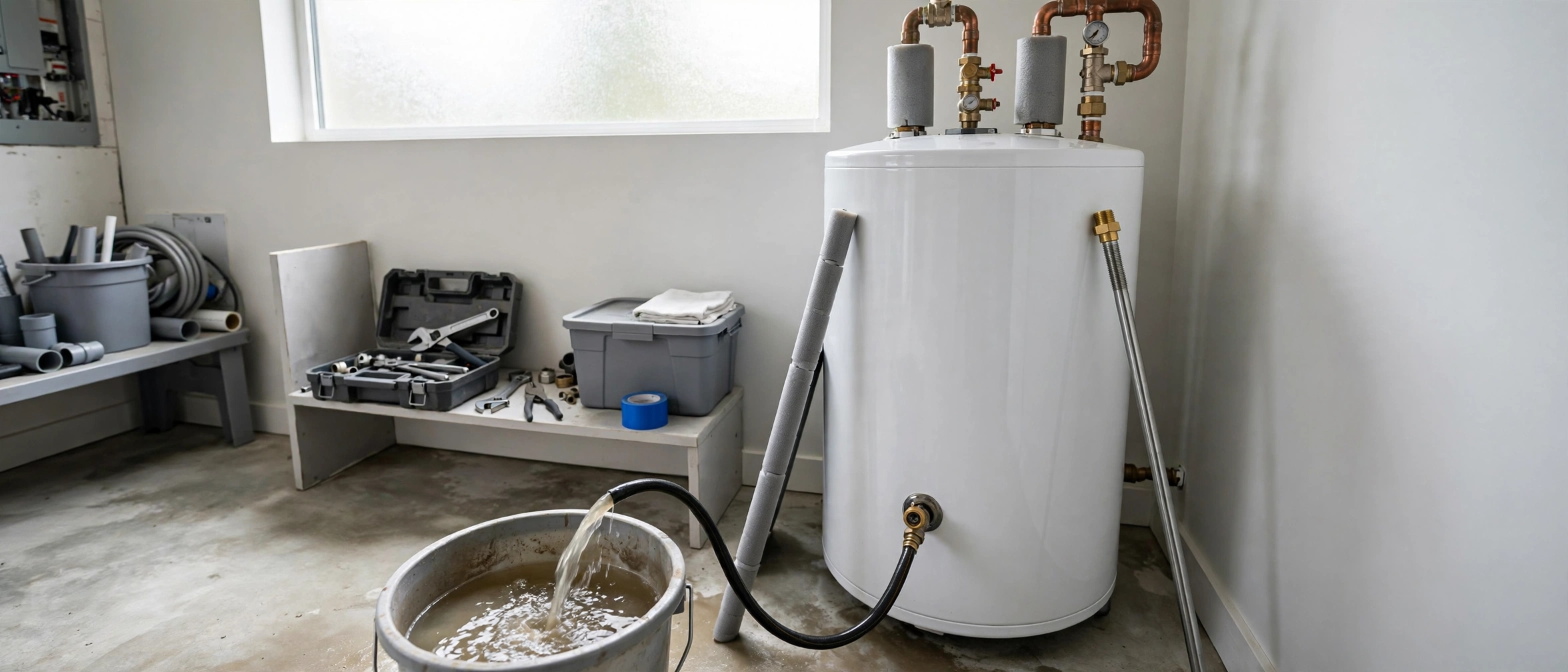
In practice, this means that San Antonio homeowners without water softeners should plan for annual tank flushing rather than the biennial schedule that manufacturers sometimes suggest as sufficient in moderate water conditions, and for anode rod inspection every twelve to eighteen months rather than the standard three-year interval. For tankless unit owners, annual heat exchanger descaling is the minimum appropriate interval in most SAWS service zones, with some high-hardness areas warranting biannual descaling. Our maintenance service packages for San Antonio clients are structured around these locally calibrated intervals, ensuring that the service frequency matches the actual pace of wear that Edwards Aquifer water conditions impose on each type of water heating equipment.
Post-Freeze Maintenance: What to Check After a San Antonio Cold Event
After any extended freeze event in San Antonio, a targeted maintenance check of water heater systems across the affected area is a prudent step that many homeowners overlook if their unit has continued to function without an obvious immediate failure. A water heater that survives a freeze event without rupturing may still have experienced stress to components that do not fail immediately but that have been moved closer to failure by the thermal shock and pressure events that a hard freeze creates. The TPR valve is a component of particular concern in this context, as it may have been activated repeatedly during the pressure fluctuations of the thaw period, and repeated activation can compromise the valve’s seating capability in ways that produce a slow leak in the weeks following the event rather than an immediate failure at the moment of highest stress.
Pipe connections and fitting seals are similarly worth checking after any significant San Antonio cold event. Expansion and contraction during a freeze-thaw cycle can shift fittings that were previously sealed adequately and produce micro-leaks that are not immediately visible but that will worsen over time if not caught and corrected early. A post-freeze maintenance visit from Rainstone Water Heaters covers all of these secondary concerns in a single structured assessment, giving San Antonio homeowners a documented confirmation that their water heater system is in full working order following a climate event that placed unusual stress on every water-carrying component in the property.
Keep Your San Antonio Water Heater in Peak Condition With Rainstone Water Heaters
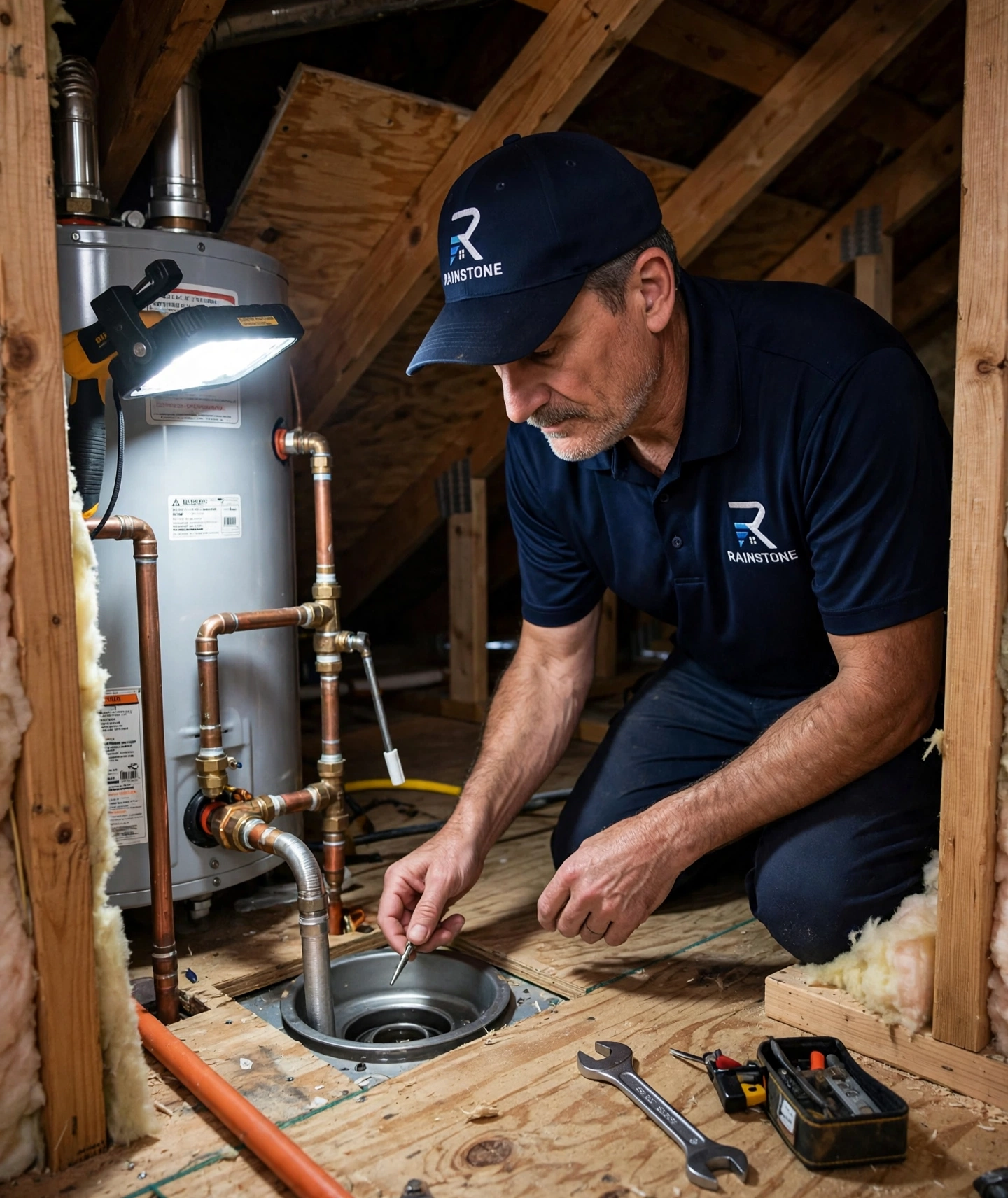
San Antonio’s water and climate conditions make consistent, professionally calibrated maintenance more important for water heater longevity than in almost any other Texas city. At Rainstone Water Heaters, we design every maintenance service around the specific demands of Edwards Aquifer water conditions, San Antonio’s seasonal temperature range, and the freeze risk that the city’s geography creates during winter cold events. Whether your property is in an established inner-city neighborhood, a mid-century suburb, or a newer community on the city’s expanding periphery, we are equipped to keep your water heater performing efficiently and reliably year after year. Call us today at (210) 972-1022 to book a service and set up annual maintenance that is genuinely suited to San Antonio conditions.
Water Heater Maintenance in San Antonio: what we check, every visit
How we handle it, step by step
- We flush the tank and clear the sediment that makes a unit rumble, overheat its bottom, and die early.
- We inspect the anode rod — the sacrificial part that rusts so your tank does not. Replaced in time, it is cheap. Ignored, the tank becomes the anode.
- We test the T&P valve and check every fitting for the slow leaks that rot subfloors quietly.
- We check the burner or elements and the venting, and leave you a plain-language condition report.
For an independent cross-check on the numbers above: the U.S. Department of Energy’s homeowner guidance puts a conventional storage water heater’s service life at roughly 10–15 years and recommends a thermostat setting of 120°F. The lifespan and price figures in our table are the ones Rainstone publishes in its own Texas cost guides — and the ones we stand behind on every written quote.
More water heater services in San Antonio
- Water Heater Repairs in San Antonio
- Water Heater Replacement in San Antonio
- Water Heater Installation in San Antonio
- Tankless Water Heaters in San Antonio
- Water Heater Inspections in San Antonio
- Emergency Water Heater Repairs in San Antonio
- Leak Detection in San Antonio
- Commercial Water Heaters in San Antonio
Whatever your system needs, you’ll find it in our San Antonio water heater services — repairs, replacements, installations, and routine care.