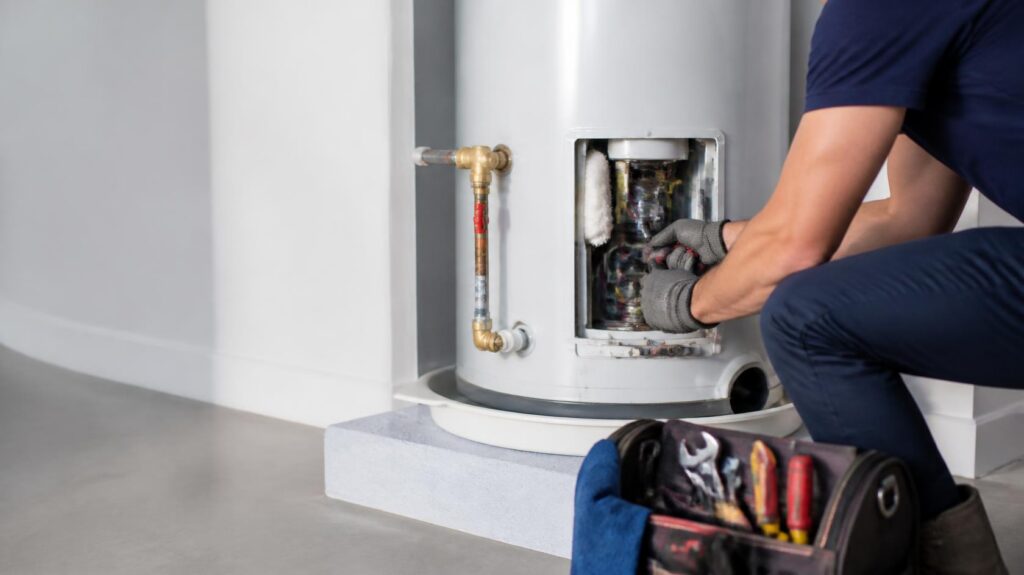
Homeowners considering a tankless water heater often focus on the choice between tank and tankless, but there is another important decision to make: whether to install a single whole-home unit or smaller point-of-use units near individual fixtures. Each setup serves a different purpose. A whole-home system is designed to supply hot water to the entire house from one location, while point-of-use units heat water right where it is needed. Some homes combine both approaches. The right configuration depends on the home’s layout, the number of people using hot water, existing gas and electrical service, and priorities such as reducing wait times or simplifying maintenance. This article compares the two setups, explains the trade-offs involved, and outlines situations where each may make sense for homeowners exploring tankless water heaters.
How Each Setup Works
Both configurations use the same basic on-demand heating technology. The difference lies in where the units are installed and how much of the home each one serves.
Whole-Home Tankless Systems
A whole-home tankless unit is typically installed in a central or convenient location, such as a garage, utility room, or exterior wall, and connected to the home’s main hot water lines. It must be sized to handle the household’s peak demand, which may involve several showers, a dishwasher, and a washing machine running at once. Whole-home units are available in gas and electric versions, with gas models commonly used for larger households because of their higher output.
Point-of-Use Tankless Units
Point-of-use units are smaller heaters installed close to the fixtures they serve, often under a sink, in a cabinet, or in a nearby closet. Most are electric, and each one typically supplies a single fixture or a small group of fixtures. Because water travels only a short distance from the heater to the tap, hot water may arrive much more quickly than it would from a distant central unit. Some point-of-use models are also used to boost the temperature of water that is already partly warm, which can affect how they are selected.
Comparing Performance and Convenience
The two setups differ noticeably in how quickly hot water arrives and how well they handle simultaneous demand.
Wait Times and Water Waste
With a whole-home system, the time it takes for hot water to reach a fixture depends largely on the length of pipe between the heater and the tap. In large or spread-out homes, this wait can be noticeable, and cold water drawn while waiting often goes down the drain. Long pipe runs through unconditioned spaces can extend the wait further, since water in those lines tends to cool quickly between uses. Point-of-use units can shorten this delay considerably, which may be appealing for remote bathrooms, kitchen islands, or additions far from the main water heater.
Handling Multiple Fixtures at Once
A properly sized whole-home unit can serve several fixtures simultaneously, but if demand exceeds its capacity, water temperature may drop. Point-of-use units spread the load across multiple heaters, so each fixture has its own heat source. However, a single small unit is typically sized only for its specific fixture and may not perform well if connected to more demand than it was designed to handle.
Sizing the choice for Texas houses and Texas summers
Texas floor plans shape this decision more than brochures do. Long ranch-style homes stretch the distance between a garage-mounted heater and the far bathroom, which is exactly where a point-of-use unit earns its keep; two-story builds with bathrooms stacked over one wet wall often suit a single whole-home unit beautifully. Summer matters too — incoming water arrives warm for much of the year here, so a unit works less hard in August than in January, and honest sizing accounts for the coldest week, not the average one. Installed, a tankless setup in Texas generally runs somewhere in the $4,800 to $6,000 range, which is why clear, written numbers before any tankless work starts matter more than a ballpark over the phone.
Installation and Cost Considerations
Installation requirements and costs vary significantly between the two approaches. Evaluating these factors early can prevent surprises.
Utility and Space Requirements
Gas whole-home units typically need an adequately sized gas line, proper venting, and an electrical connection for controls. Electric whole-home units may require large dedicated circuits and, in some homes, an electrical service upgrade. Point-of-use units generally have smaller electrical demands individually, but installing several may still require multiple new circuits. Space under sinks or in cabinets must also accommodate the unit and allow service access.
Upfront and Ongoing Costs
A single whole-home unit concentrates the cost in one piece of equipment and one installation location. Multiple point-of-use units may each cost less, but the combined cost of several units, circuits, and plumbing connections can add up. Operating costs depend on local energy prices, usage habits, and whether the units run on gas or electricity.
Maintenance and Long-Term Upkeep
Tankless units of either type may need periodic cleaning of inlet filters and, in areas with hard water, descaling of the heat exchanger. With a single whole-home unit, this maintenance happens in one location. With several point-of-use units spread throughout the home, each one needs its own attention, and some may be installed in tight spaces that make service less convenient. Considering long-term upkeep alongside installation costs can give a more complete picture of what each setup involves.
Situations Where Each Setup May Fit
There is no universal answer, but certain household characteristics tend to favor one approach over the other.
When a Whole-Home Unit Makes Sense
Households with several people, multiple bathrooms used at the same time, and a relatively compact layout often find a whole-home system practical. Homes that already have gas service and a suitable venting path may also be well suited to a gas whole-home unit. A recirculation system may be considered to shorten wait times in some cases, although it adds equipment and energy use that should be weighed against the convenience it provides.
When Point-of-Use or a Hybrid Approach Helps
Point-of-use units may suit small spaces with limited hot water needs, such as a detached office, workshop sink, or guest suite. Many homeowners use a hybrid approach, pairing a whole-home heater with a point-of-use unit at a distant fixture to reduce wait times there. This combination may offer convenience where it matters most without oversizing the main system.
Kurt’s take: Back in my Houston chapter, I ran crews of as many as 30 service plumbers for a national store, and I watched the same mistake repeat: a homeowner bought the unit with the biggest number on the box instead of the configuration that fit the house. Here is what those years taught me. One right-sized whole-home unit, or a small unit placed exactly where the wait is worst, beats an oversized system every time. Walk the house, count the fixtures that actually run together, and be honest about habits. I would rather sell you the smaller setup that fits than the larger one that flatters.
Choosing the Right Tankless Configuration
Deciding between whole-home and point-of-use tankless water heaters involves weighing your home’s layout, hot water demand, utility capacity, and budget. Our tankless water heater team at Rainstone Water Heaters can evaluate how your household uses hot water, review your gas and electrical service, and explain which configuration may fit your needs. We aim to lay out the trade-offs clearly, including installation requirements and long-term upkeep, so you can make a well-informed decision. If you are considering a tankless setup and are unsure which approach suits your home, we encourage you to reach out to our team for guidance.
Still picturing how the technology itself operates? Our beginner-friendly walkthrough of how on-demand heating actually works fills in the mechanics behind both setups. And if questions about flow rates, gas lines, or recirculation keep coming up, the tankless questions we hear most often collects the answers in one place before you commit to a configuration.
Every Rainstone job runs under my license, Lic. # M-21546 — I own the permits and the inspections, and I answer for the work. It is the same accountability I have taught more than 25 apprentices on their way to journeyman: your name is on the job long after the truck leaves. — Kurt Pinkerton, responsible master plumber, Rainstone Water Heaters
