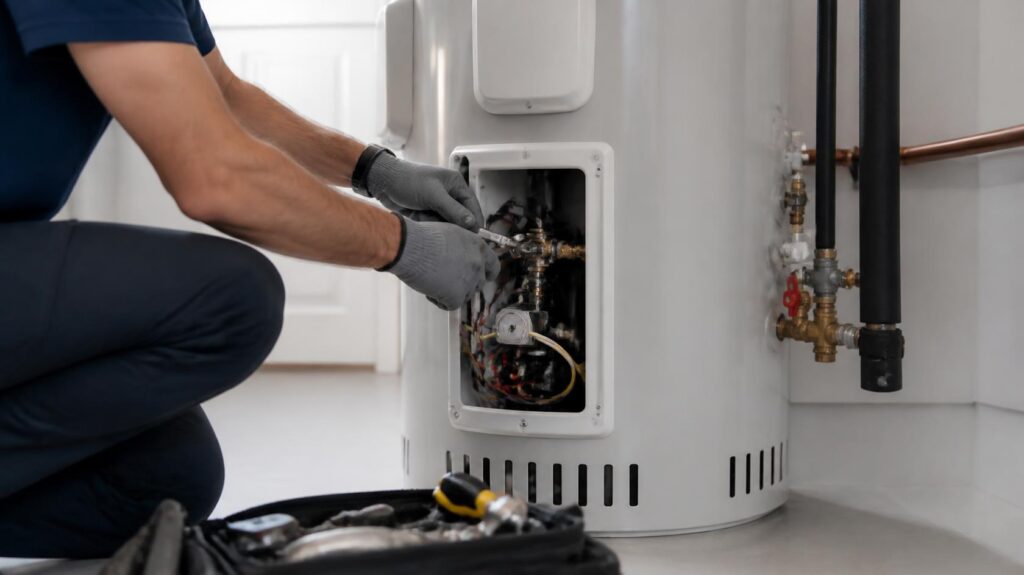
Finding water dripping from the pipe beside a water heater, or hearing the relief valve release with a hiss, can be unsettling. The temperature and pressure relief valve exists to protect the tank from dangerous conditions, so when it discharges, it is often responding to something happening in the system. Sometimes the cause is manageable, such as normal thermal expansion or a valve that has worn with age. In other cases, the discharge may signal overheating or excessive pressure that deserves prompt attention. The challenge for homeowners is telling the difference. The frequency, volume, and temperature of the discharge, along with other symptoms, can offer useful clues. This article explains the common reasons a relief valve releases water, how to recognize patterns that suggest a more serious issue, and when professional water heater repairs may be needed.
How a Relief Valve Is Supposed to Work
Understanding what triggers the valve helps explain why a discharge matters. The valve responds to two conditions inside the tank.
Temperature and Pressure Settings
Residential relief valves are commonly designed to open when tank pressure reaches about 150 pounds per square inch or when water temperature near the top of the tank reaches about 210 degrees Fahrenheit. These thresholds are well above normal operating conditions. When either one is reached, the valve opens and releases water through the discharge pipe, lowering pressure and allowing cooler water to enter the tank.
Why Discharge Should Be Rare
In a properly functioning system, the relief valve should rarely, if ever, open on its own. Normal household water pressure and properly controlled water temperatures stay far below the valve’s limits. Regular discharge therefore suggests that either the system is reaching conditions it should not, or the valve itself is no longer sealing correctly.
Common Causes of Discharge
Several issues can cause a relief valve to release water. Some develop gradually, while others appear suddenly.
Thermal Expansion in Closed Systems
Water expands as it heats. In many homes, a check valve, backflow preventer, or pressure-reducing valve on the main water line prevents expanded water from flowing back into the municipal supply. This creates a closed system in which pressure can rise each time the water heater completes a heating cycle. Without a properly functioning expansion tank to absorb that extra volume, pressure spikes may cause the relief valve to drip, often shortly after hot water use when the heater is recovering. An expansion tank that has lost its internal air charge, sometimes described as waterlogged, may no longer provide this protection even though it is still installed.
High Incoming Water Pressure
Water pressure entering the home varies by location and can be higher than many plumbing systems are designed to handle. Plumbing codes commonly require a pressure-reducing valve when incoming pressure exceeds about 80 pounds per square inch. If an existing pressure-reducing valve has failed, or if none is installed where needed, elevated pressure may contribute to relief valve discharge and add stress to fixtures and appliances throughout the home. A simple pressure gauge that threads onto an outdoor hose connection can give homeowners a general sense of their water pressure.
A Worn or Faulty Valve
Relief valves can wear out. Mineral deposits, corrosion, or debris may keep the valve from sealing tightly, resulting in a slow drip even when pressure and temperature are normal. A valve that begins leaking after a routine test may also have failed to reseat. In these cases, the valve itself is the problem rather than conditions inside the tank.
Why a dripping relief valve hits Texas homes differently
Texas heat does quiet work on a relief valve. Tanks tucked into garages and attics ride through long, hot summers, and every heating cycle in a closed system nudges pressure upward as the water expands. Add hard summer demand — showers, laundry, and dishwashers running back to back — and a valve that weeps a little each afternoon is telling you the system is reaching its limit regularly, not once. That pattern deserves a diagnosis, not a bucket under the pipe. Rainstone handles that diagnosis with straightforward pricing for Texas water heater work: a $125 service call, waived in full when you go ahead with any replacement, and a written quote before any work begins.
Signs the Discharge Is Serious
Not every discharge is an emergency, but some patterns suggest a potentially dangerous situation. Recognizing them can help homeowners respond appropriately.
Hot Water, Steam, and Continuous Flow
A steady flow of very hot water or steam from the discharge pipe may indicate that the water in the tank is overheating. This can occur when a thermostat or the high-limit safety control fails and the heater continues heating beyond its set temperature. If hot water taps also deliver water that is much hotter than usual, or the tank is making rumbling or boiling sounds, the situation should be treated as urgent. Turning off the heater’s energy supply and contacting a professional promptly is advisable, and people should stay clear of the discharge pipe until the situation is resolved.
Discharge Along With Other Symptoms
Relief valve discharge accompanied by banging pipes, leaking fixtures elsewhere in the home, or frequently running toilets may point to pressure problems affecting the entire plumbing system. When discharge occurs on a gas water heater along with scorch marks, soot, or unusual burner behavior, the combustion system may also need evaluation.
What Not to Do When the Valve Discharges
When a relief valve drips repeatedly, it can be tempting to find a quick fix. Some common reactions can create serious safety risks.
Never Cap or Plug the Valve
Capping the discharge pipe, plugging the valve, or removing it entirely eliminates the tank’s protection against excessive pressure and temperature. In rare but serious cases, a tank without a working relief valve can fail violently. A dripping valve is a sign that something needs attention, not a problem to be silenced.
Avoid Guesswork With Replacement Parts
Replacing a discharging valve without identifying the cause may not solve the issue if thermal expansion, high pressure, or overheating is responsible. A new valve must also carry the correct pressure and temperature ratings for the specific water heater. A technician can measure system pressure, check the expansion tank, and test heating controls to determine the actual source.
Kurt’s take: Every job this company runs sits under my license, Lic. # M-21546, and that includes the permits and final inspections — so I take a discharging relief valve personally. My honest take: never cap it, never plug it, and never let anyone talk you into just swapping the valve without asking why it opened. The valve is the messenger. Pressure, temperature, a failed expansion tank — something sent that message. Find that something, fix it, and test the new valve under real conditions. That is what my name on the license means for your house: the root cause gets fixed, not silenced.
Getting to the Root of the Problem
A relief valve that discharges water is often a signal worth investigating, whether the cause is thermal expansion, high water pressure, overheating, or a worn valve. Our team of water heater repair technicians at Rainstone Water Heaters can test pressure, inspect the valve and expansion tank, and evaluate heating controls to help identify what is behind the discharge. We explain our findings clearly so you understand what is happening and why, and when a repair is needed, we walk you through the options before any work begins. If your relief valve is dripping or releasing water, we encourage you to contact our team for an evaluation.
If the discharge keeps coming back, our guide to testing that relief valve the safe way walks through what a careful check can and cannot tell you. For the questions homeowners ask us most about symptoms like this, browse the answers we give Texas homeowners every week — and if the valve is discharging hot water today, treat that as a same-day call, not a weekend project.
I have trained more than 25 people from their first day holding a wrench all the way to journeyman, and several of them run their own companies today as master plumbers. The first standard I teach every one of them is the one I still hold myself to: leave every home as clean as it was in the beginning, if not cleaner. — Kurt Pinkerton, responsible master plumber, Rainstone Water Heaters
