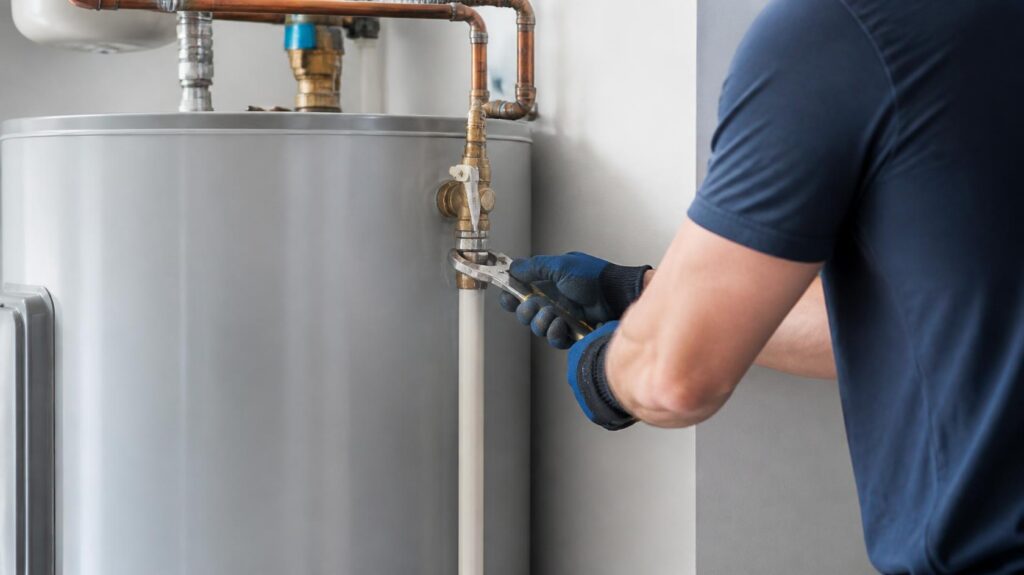
When a home changes hands, the water heater is one of many systems that buyers, sellers, and inspectors review. Although it may seem like a minor item compared with the roof or foundation, the water heater can affect safety, comfort, and a buyer’s near-term budget. Its age, condition, and installation quality may influence negotiations and, in some cases, whether certain repairs are requested before closing. Understanding what is typically evaluated during a real estate transaction can help both parties set realistic expectations and avoid surprises. A general home inspection usually includes a visual review of the water heater, while a dedicated water heater inspection may look more closely at specific components. This article explains what is commonly checked, how buyers and sellers can each use the findings, and what limitations to keep in mind.
What Inspectors Commonly Look For
During a home sale, the water heater evaluation typically focuses on age, visible condition, and whether safety components appear to be installed correctly. The scope can vary depending on the inspector and local standards.
Age, Capacity, and General Condition
Inspectors often note the unit’s approximate age, fuel type, and tank capacity, which may help buyers anticipate when replacement might be needed. They also look for visible signs of wear, such as rust, corrosion around fittings, water stains, or active leaks. A water heater nearing the end of its expected service life is commonly flagged so the buyer can factor potential replacement costs into their plans.
Safety Components and Installation Details
An inspector typically checks that a temperature and pressure relief valve is present and has a properly routed discharge pipe. For gas units, the vent connection, clearances, and gas supply connections are reviewed for visible issues. Other items may include the presence of a drain pan where required, a sediment trap on the gas line, an expansion tank where local code calls for one, and seismic strapping in regions that require it.
Kurt’s take: Lezlee and I have been married 33 years, most of them spent in and around other people’s homes in my trade. You learn what a home sale feels like from the inside: every line of an inspection report lands on somebody’s kitchen table, with money and nerves attached. So my counsel is plain dealing on both sides. Sellers, hand over the records you have. Buyers, ask what a finding actually means before you fear it. A water heater is replaceable; trust, once spent, is harder to restore. And it costs nobody anything to be straight with each other.
Advice for Home Sellers
Sellers who understand how the water heater may be viewed during inspection can prepare in advance. Doing so may reduce last-minute complications during the transaction.
Considering a Pre-Listing Evaluation
Some sellers choose to have major systems, including the water heater, evaluated before listing the home. This can reveal issues such as a missing drain pan or an improperly routed discharge pipe that may be relatively simple to correct beforehand. Addressing these items early may help avoid repair requests during negotiations, although sellers should weigh the cost of repairs against their overall plans for the sale.
Gathering Records and Meeting Local Requirements
Installation dates, receipts, warranty information, permit records, and maintenance history can help buyers understand the unit’s background. Disclosure obligations vary by state, and some jurisdictions have point-of-sale requirements related to water heaters, such as strapping in earthquake-prone areas. Sellers may benefit from confirming local rules with their real estate professional or local building department.
Advice for Home Buyers
For buyers, water heater findings can inform both negotiations and post-purchase planning. Understanding how to interpret the report is an important step.
Interpreting Inspection Findings
Inspection reports often distinguish between safety concerns, items needing repair, and conditions that reflect normal aging. A safety-related finding, such as a vent issue on a gas unit, typically warrants closer attention than cosmetic rust on a pipe. Asking the inspector to clarify the significance of each item can help buyers decide whether to request repairs, seek a credit, or simply plan for future work.
Budgeting for Future Replacement
Even when a water heater is working properly at the time of sale, an older unit may need replacement within a few years. Buyers who know the approximate age can set aside funds in advance rather than facing an unplanned expense. Replacement costs vary depending on fuel type, capacity, installation requirements, and any code updates needed at the time of installation.
Understanding the Limits of a Home Inspection
A general home inspection provides valuable information, but it has boundaries. Knowing what it may not cover helps buyers and sellers decide whether additional evaluation is worthwhile.
Visual and Non-Invasive Scope
Most home inspections are visual and do not involve disassembling equipment, draining the tank, or testing internal components. As a result, conditions such as internal corrosion, heavy sediment, or a depleted anode rod may not be identified. Inspectors may also be unable to operate a unit that has been shut off in a vacant home.
When a Specialized Evaluation Helps
When the general inspection raises questions, a water heater professional can perform a more focused assessment. This may include combustion and draft checks on gas units, a closer look at venting, and an evaluation of whether visible issues are repairable. The added detail may help both parties make decisions with more confidence.
Caring for the Water Heater After Closing
The inspection process ends at closing, but a new homeowner’s relationship with the water heater is just beginning. A few early steps may make future maintenance and emergencies easier to manage.
Scheduling a Baseline Service Visit
Because a buyer usually cannot confirm how well the previous owner maintained the water heater, some new homeowners schedule a service visit soon after moving in. A technician can flush the tank, check the anode rod, test the relief valve, and verify the temperature setting. This visit establishes a baseline for future maintenance and may reveal issues that were not visible during the pre-purchase inspection.
Locating Shutoffs and Keeping Records
Knowing where the water heater’s cold water shutoff, gas valve, or electrical breaker is located can save valuable time during an emergency. New owners may also find it helpful to keep the inspection report, any documents from the seller, and future service records together. This information can be useful for warranty claims, future repairs, and eventually when the home is sold again.
Texas Sales, Texas Paperwork
A Texas home sale puts the water heater’s paperwork on trial alongside the heater itself. Permit records, installation dates, and maintenance receipts — the documents the seller section above tells you to gather — carry extra weight here, because in most Texas cities a replacement must be installed under a licensed master plumber’s registration, with plumbers licensed by the TSBPE. A unit with no permit trail invites the questions a dedicated inspection then has to answer.
Budgeting is the other Texas constant: with a standard tank installation running $1,850 to $2,800, an aging unit flagged in a report is a real negotiating number, not a scare tactic. Buyers and sellers alike do better when the figure comes from a written evaluation rather than a guess — start with the questions both sides ask us during a sale and schedule the closer look from there.
Moving Forward With Clear Information
Water heater inspections during a home sale can help buyers understand what they are purchasing and help sellers address concerns before they affect negotiations. Our team of water heater inspection professionals at Rainstone Water Heaters can provide a focused evaluation of a unit’s condition, safety components, and installation, and we explain our findings clearly so you can use them in your decision-making without guesswork or unnecessary alarm. Whether you are preparing to list a home or reviewing a report as a buyer, we encourage you to reach out to our team if you would like a closer look at the water heater.
Whether you are listing or buying, a dedicated water heater evaluation turns report language into decisions: repair, credit, or simply a plan. For what that visit actually involves, step through a step-by-step look at a professional inspection visit, and meet the master plumber behind our evaluations before the appointment is even booked.
Every Rainstone job runs under my license, Lic. # M-21546 — I own the permits and the inspections, and I answer for the work. It is the same accountability I have taught more than 25 apprentices on their way to journeyman: your name is on the job long after the truck leaves. — Kurt Pinkerton, responsible master plumber, Rainstone Water Heaters
