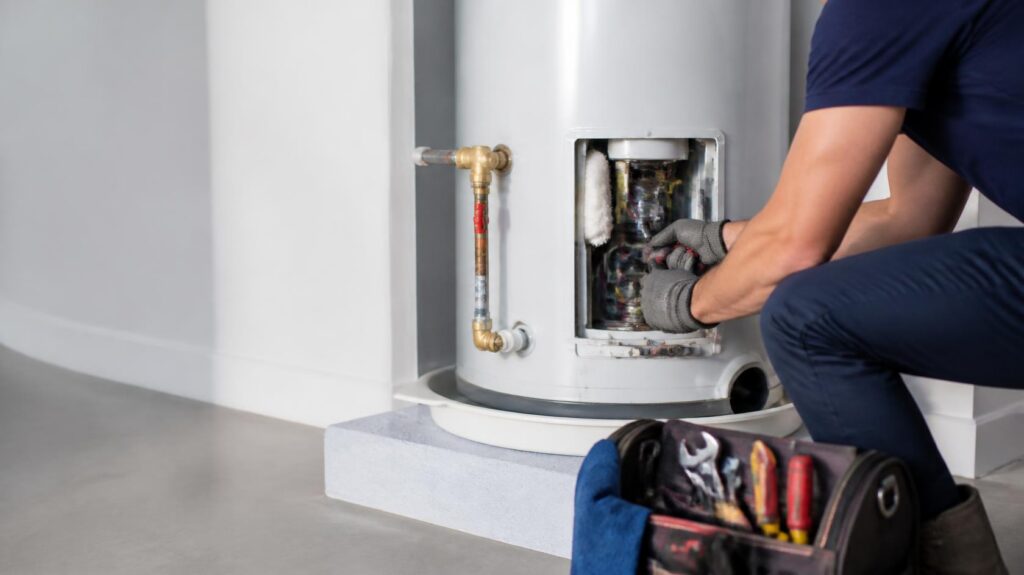
Hot water is one of the most important utilities in a commercial kitchen. It supports handwashing, dishwashing, equipment cleaning, and food preparation, and each of these tasks has its own temperature needs. Water that is too cool may not clean or sanitize effectively, while water that is too hot at the wrong fixture can create a scalding hazard for staff. Health inspectors often check water temperatures during routine visits, so meeting these requirements is part of day-to-day compliance for restaurants, cafeterias, and other food service operations. A properly designed commercial water heater system is central to delivering the right temperature at the right point of use. This article explains why different tasks call for different temperatures and how kitchens typically manage those needs.
How Food Safety Standards Shape Temperature Requirements
Most state and local health codes in the United States are based on the Food Code published by the U.S. Food and Drug Administration. The version adopted and the specific requirements can vary by jurisdiction, so operators should confirm the rules that apply in their area.
Handwashing Sinks
Handwashing is one of the most basic food safety practices, and the Food Code calls for handwashing sinks to provide water at a temperature of at least 100°F. Warm water helps soap lather and lift oils from the skin, which may encourage employees to wash thoroughly and for the recommended length of time. Because handwashing sinks are used frequently throughout a shift, water that takes too long to warm up can become a practical compliance issue during busy periods.
Manual Warewashing
Kitchens that wash dishes by hand in a three-compartment sink must maintain a wash solution at or above the temperature specified in the applicable code, commonly at least 110°F under the Food Code. If hot water immersion is used to sanitize rather than a chemical sanitizer, the requirement rises considerably, to at least 171°F for a minimum of 30 seconds. Maintaining that temperature in an open sink requires a dedicated heat source, since water cools quickly when exposed to air and cold dishware.
The Demands of Commercial Dishwashing Machines
Mechanical dishwashers are often the largest single consumer of hot water in a commercial kitchen. The type of machine determines how hot the water must be and how the kitchen’s water heating system is configured.
High-Temperature Machines
High-temperature dishmachines sanitize with very hot water during the final rinse. Under the Food Code, the final rinse for many of these machines must reach at least 180°F as it enters the manifold, with lower minimums for certain machine types and a maximum of 194°F. The goal is for the dish surfaces themselves to reach a temperature high enough to sanitize them. Since general-purpose water heaters in most kitchens are not set this high, these machines usually rely on a booster heater that raises incoming water to the required rinse temperature.
Low-Temperature Machines
Low-temperature machines use chemical sanitizers instead of extreme heat, allowing them to operate with cooler water. They generally reduce energy use associated with water heating, but they still require water within the range specified on the machine’s data plate for the wash and rinse cycles to work effectively. Running either type of machine below its rated temperature may result in dishes that look clean but are not adequately sanitized.
Balancing Sanitation, Safety, and Efficiency
Commercial kitchens must meet the temperature needs of several fixtures at once without creating new hazards or wasting energy. The system design plays a significant role in achieving that balance.
Scald Prevention and Mixing Valves
Water hot enough to sanitize can cause serious burns in a matter of seconds. To reduce this risk, many kitchens store water at a higher temperature and use thermostatic mixing valves to deliver cooler water to handwashing sinks and other fixtures where staff come into direct contact with it. Storing water at elevated temperatures may also help limit the growth of bacteria such as Legionella within the system, which is one reason storage and delivery temperatures are often set differently.
Sizing for Peak Demand
Hot water use in a restaurant tends to spike during meal rushes and closing cleanup, when the dishmachine, prep sinks, and mop sinks may all run at once. A system sized only for average use may fall behind during these peaks, causing temperatures to drop below required levels at the moment they matter most. Recovery rate, storage capacity, and the placement of booster heaters are all factors a professional considers when evaluating whether a kitchen’s system can keep pace.
Kurt’s take: In my Houston chapter I was the master holder and production manager for a national corporate store, running crews of as many as 30 service plumbers. Commercial kitchens were steady work, and the lesson repeated itself: the kitchens that logged temperatures caught problems on a quiet Tuesday, not during a Friday inspection. My honest take is that a clipboard by the dishmachine is worth more than a bigger heater. Log the sink, log the rinse, and call when the numbers start sliding, while the fix is still an adjustment instead of a closure.
Monitoring and Maintaining Kitchen Water Temperatures
Even a well-designed system can drift out of range over time. Regular monitoring and maintenance help confirm that each fixture continues to deliver water at the temperature it needs.
Routine Temperature Checks
Many food service operations assign staff to check and record water temperatures at key points, such as handwashing sinks, warewashing sinks, and dishmachine gauges. Temperature-indicating strips or probe thermometers can help verify that dish surfaces are reaching sanitizing temperatures in high-temperature machines. Keeping written logs may help managers spot gradual changes, such as a booster heater that is taking longer to recover, before they lead to a compliance issue during an inspection.
Scale, Sediment, and Component Wear
Commercial water heaters and booster heaters operate for long hours, and mineral buildup can accumulate quickly in areas with hard water. Scale on heating elements or heat exchangers may reduce efficiency and make it harder for the system to reach target temperatures. Thermostats, mixing valves, and gauges can also wear or lose accuracy over time. Scheduled professional service can help identify these issues and keep the system operating within the ranges the kitchen depends on.
Texas Kitchens, Texas Inspections, and Staying Ready
In a Texas kitchen, the temperatures in this article are not theory, they are what an inspector measures at the sink. The work behind them carries the same licensing frame as any plumbing job in the state: plumbers are licensed by the TSBPE, and commercial work belongs under a licensed master plumber’s registration. When a booster heater lags or a mixing valve drifts, Rainstone gives you a clear picture of service costs up front, a written quote before work, and same-day service options that respect a dinner rush. About 1 in 3 temperature failures we are called about trace back to scale and drift, not dead equipment. Hours run from 5 AM to 11 PM, seven days a week, which covers both the lunch rush and the late cleanup window.
Keeping Your Kitchen Ready for Every Service
Consistent hot water temperatures support food safety, staff safety, and smooth inspections, but they depend on equipment that is properly sized and maintained. Our team of commercial water heater professionals at Rainstone Water Heaters works with food service operators to evaluate how their systems handle the demands of daily service. We look at storage temperatures, booster performance, and peak usage so you have a clear picture of where your system stands. Where adjustments or upgrades may help, we explain the options and trade-offs in plain terms. If your kitchen struggles to maintain required temperatures, or you are planning an upgrade, we encourage you to reach out to our team for guidance.
If downtime is the fear behind the temperature logs, our companion guide on how to minimize business downtime when a commercial water heater fails covers the contingency side. Common questions about commercial visits are answered in our frequently asked questions, including how booking and quotes work. Both are quick reads before your next health inspection or equipment review.
I have spent 38 years in this trade, 27 of them as a master plumber, and my license — Lic. # M-21546 — is the one standing behind every job this company runs, permits and final inspections included. That much experience does not make shortcuts acceptable; it makes them unnecessary. — Kurt Pinkerton, responsible master plumber, Rainstone Water Heaters
